Ensure Your Vehicle Stays in Peak Performance: Key Vehicle Repair Guidelines
Maintaining a vehicle is essential for its longevity and performance. Routine maintenance can eliminate unnecessary expenses and enhance safety. Many drivers neglect essential tasks like fluid checks and tire rotations. Recognizing when to carry out these maintenance tasks is critical. Furthermore, understanding the difference between DIY repairs and qualified service can make a substantial change. What additional elements could support a vehicle's optimal performance? The tips below will shed more light on this topic.
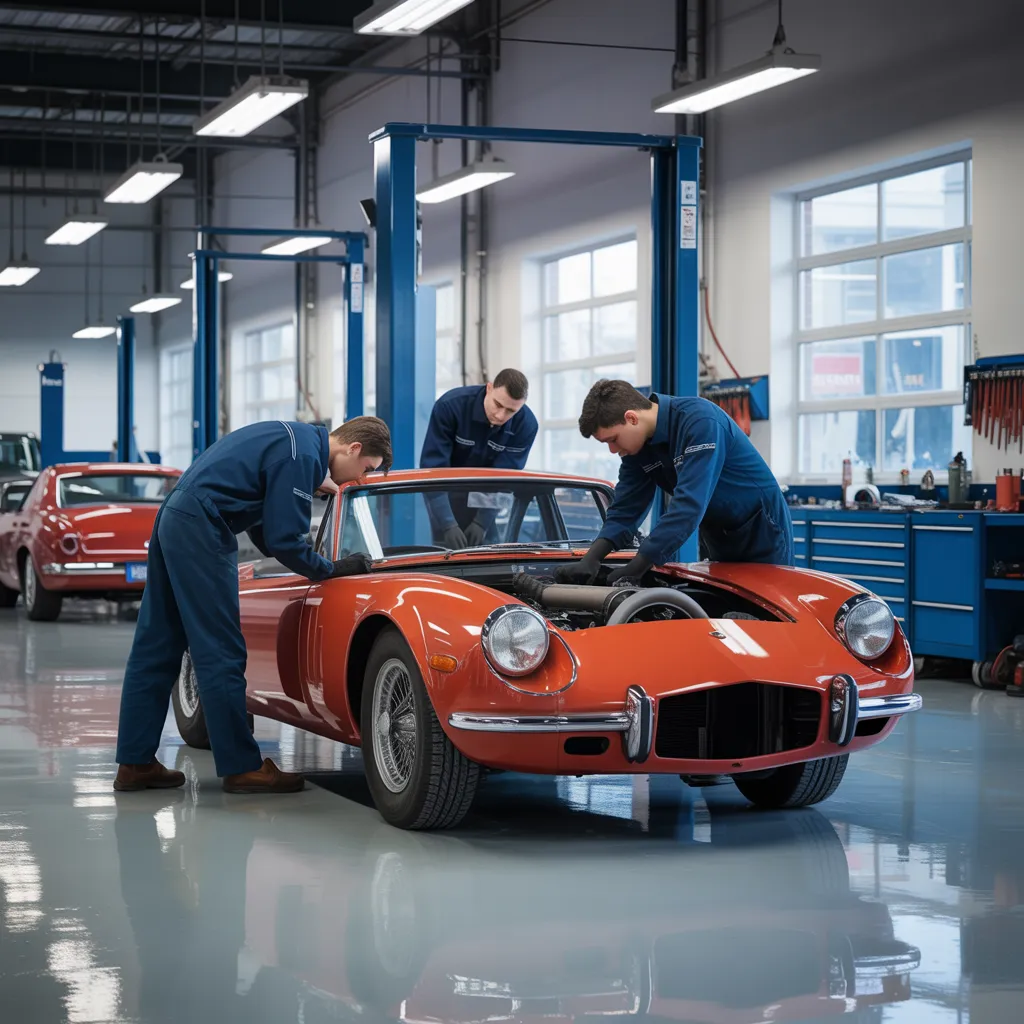
Know Your Vehicle's Maintenance Schedule
To maintain optimal performance and durability, every car owner must understand their vehicle's maintenance schedule. This schedule outlines the specific intervals for servicing various components, guaranteeing the vehicle runs smoothly and efficiently. Common routine maintenance tasks include oil changes, filter replacements, and tire rotations, all of which are essential for avoiding more serious problems in the future.
Auto manufacturers typically include detailed guidelines in the owner's handbook, detailing when these services should be completed according to mileage or time. Adhering to such guidelines assists in maintaining the automobile's warranty and improves its market value.
Moreover, keeping up with recalls and service bulletins enhances overall safety and dependability. By adhering to the scheduled maintenance, vehicle owners can reduce the chances of costly repairs and unexpected breakdowns, which ultimately leads to a better overall ownership experience. Understanding the critical nature of these routine services is a core element of being a responsible vehicle owner.
Monitor and Update Your Fluids on a Regular Basis
Consistently monitoring and replacing vehicle fluids is critical for keeping your vehicle running at its best and preventing costly damage. Fluids such as engine oil, coolant, brake fluid, transmission fluid, and power steering fluid are fundamental to a vehicle's overall function. Engine oil works to lubricate critical moving parts, decreasing friction and heat buildup, while coolant protects against engine overheating. Brake fluid plays a crucial role in ensuring effective braking performance, and transmission fluid guarantees smooth gear changes.
Neglecting fluid maintenance can lead to severe issues, including engine failure or compromised braking performance. It is recommended that vehicle owners review their owner's manual for precise guidelines on fluid checks and changes. Additionally, regular inspections can help identify leaks or contamination early. By making fluid maintenance a routine part of vehicle care, owners can enhance longevity and reliability, ultimately saving on costly repairs. Giving these responsibilities proper attention significantly benefits the overall condition of the vehicle.
Examine and Swap Out Worn Tires
Inspecting and replacing worn tires is crucial for guaranteeing safety and peak vehicle performance. Tires serve as the sole point of contact between a vehicle and the road, making their upkeep essential. A thorough inspection should involve assessing tread depth, sidewall condition, and uneven wear distribution. Tread depth can be evaluated using the penny test; if the tread does not cover Lincoln's head, it's time for a replacement.
Vehicle owners should also keep an eye on tire pressure, as both insufficient inflation and excessive inflation can have a harmful effect on performance and fuel consumption. Furthermore, rotating tires every 5,000 to 7,500 miles promotes even wear and extends their lifespan. When tires exhibit noticeable wear or deterioration, prompt replacement is essential to maintain optimal grip and prevent blowouts. Through consistent tire care, vehicle owners can enhance safety, improve fuel economy, and guarantee a smoother driving experience. Consistent tire care can significantly influence overall vehicle dependability.
Scheduled Brake Inspections and Pad Replacements
Routine brake inspections and pad replacements are critical for preserving vehicle safety and performance. Vehicle owners should stay informed about the warning signs of worn brake pads, like squeaking or decreased responsiveness. Establishing a schedule for inspections can help prevent costly repairs and guarantee peak brake health.
The Value Of Brake Health
Although many drivers focus on engine performance and fuel economy, the value of maintaining brake health is critically important. Adequate brake performance is fundamental to vehicle safety, helping drivers bring their vehicles to a stop and reduce accident risks. Regular brake inspections help identify potential issues early, reducing the likelihood of major repairs while sustaining top-level performance. Brake pads, which experience significant wear over time, should be replaced according to manufacturer recommendations or when inspections indicate reduced effectiveness. Neglecting brake health can lead to decreased stopping power and increased stopping distances, putting both the driver and others at risk. By focusing on brake care, drivers can boost their vehicle's dependability and durability, culminating in a more protected and reassuring time on the road.
Signs Of Worn Pads
Brake pads are critical parts that significantly affect a vehicle's braking ability, and detecting the warning signs of worn pads is essential for keeping drivers safe on the road. Vehicle operators should remain alert to various signs of pad deterioration. A squealing or scraping sound while braking frequently indicates that the pads have worn thin and require replacement. Furthermore, a car drifting to one side during braking can indicate uneven deterioration of the pads. Decreased reaction or a mushy brake pedal can likewise signal that the pads are not operating as intended. Furthermore, a visual check can uncover a slender pad surface, usually measuring less than a quarter-inch, demanding urgent attention. Routine brake evaluations can assist in detecting these problems before they endanger road safety.
Recommended Inspection Schedule
Regular inspections are essential for preserving optimal vehicle performance and safety. Regular brake inspections, typically recommended every 6,000 to 10,000 miles, help identify wear and tear before it becomes a serious issue. Technicians evaluate the brake pads, rotors, and fluid levels to ensure peak performance. Should brake pads wear below the manufacturer's recommended standards, immediate replacement becomes necessary. Overlooking this care can contribute to diminished braking effectiveness and potentially unsafe circumstances. Furthermore, motorists should remain attentive to any strange noises or vibrations while braking, as these may signal the necessity for prompt inspection. Adhering to these guidelines not only improves vehicle safety but also prolongs the longevity of the braking system. Prioritizing scheduled inspections leads to a more reliable driving experience.
Check Your Battery Health Regularly
What is the best way to ensure a vehicle starts dependably on every occasion? Routine battery health inspections are essential for ensuring reliable performance. A vehicle's battery is essential for starting the engine and powering various electrical systems. Over time, batteries can lose capacity due to age, extreme temperatures, or corrosion at the terminals.
To preserve battery performance, it is essential to inspect it every six months. Check for signs of wear, such as cracks or bulging. Remove any corrosion around the terminals using a solution of baking soda mixed with water. In addition, checking the battery's voltage can help determine its overall health; a properly charged battery should show a reading of around 12.6 volts or more.
When the battery displays signs of deterioration, replacing it promptly can prevent unexpected failures. Through consistent battery upkeep, drivers can ensure their cars start consistently, decreasing the possibility of becoming stranded as a result of battery complications.
Never Ignore Warning Lights
Ignoring warning lights can result in serious consequences for a vehicle's overall safety and functionality. Such indicators function as essential warnings that alert drivers to potential issues, varying from minor malfunctions to severe mechanical failures. To illustrate, a check engine light could represent anything ranging from a poorly fitted gas cap to a significant mechanical engine failure.
Overlooking these warnings might bring about mounting repair bills and higher expenses, in addition to unsafe driving conditions. Furthermore, certain warning indicators, such as those indicating brake issues or oil pressure problems, point to serious threats that could put at risk both the vehicle and the driver.
Vehicle owners are encouraged to become familiar with their vehicle's dashboard warning symbols, ensuring they understand the implications of each warning light. Timely attention to these alerts can prevent further damage and enhance overall vehicle longevity, highlighting the importance of dealing with warning lights in a timely and effective manner.
When to DIY vs. Call a Mechanic
Choosing between handling auto repairs on your own or turning to an expert depends on a number of key considerations. You need to examine your capabilities and understanding, properly determine the issue, and account for the related costs. Weighing these factors can result in a better-informed choice regarding the most suitable approach.
Measuring Your Competencies
When weighing the decision between tackling a car issue independently or turning to an expert, people should first assess their own technical abilities and expertise. Evaluating familiarity with automotive tools, familiarity with vehicle systems, and previous repair achievements can help determine one's competencies. Individuals with a strong background in car mechanics may be comfortable managing basic maintenance tasks, such as handling routine oil and filter maintenance. On the other hand, individuals lacking hands-on experience or those facing complex issues should consider consulting a mechanic. Moreover, recognizing your personal confidence and the inherent risks of the situation is vital. Ultimately, understanding when to defer to a qualified mechanic can save time, money, and prevent further damage to the vehicle.
Diagnosing The Problem
After evaluating their technical abilities, people must accurately diagnose the problem at hand to establish whether a do-it-yourself approach is viable or if a qualified mechanic is required. Identifying similar information warning signs, such as unusual sounds or indicator lights, is the first step. Looking into these indicators can shed light on potential problems. Basic problems, like installing a new battery or performing an oil change, may be within reach for those with some experience. However, complicated problems, such as transmission breakdowns or electrical component failures, often necessitate professional skills and resources. People must also take into account their available time and resources. Ultimately, knowing when to seek a mechanic can conserve valuable time and resources, ensuring the vehicle receives the appropriate care it needs.
Costs and Considerations Involved
In what ways can people successfully manage their finances while addressing vehicle repair needs? Deciding whether to tackle repairs themselves or consult a mechanic often copyrights on cost considerations. Handling repairs independently can reduce costs, especially for simple tasks such as oil changes or air filter replacements. Nevertheless, people must evaluate their abilities and consider the risk of expensive errors. In contrast, demanding repairs such as engine or transmission overhauls usually necessitate expert attention, where paying upfront can help avoid more severe damage and increased expenditures. Additionally, factoring in tools and equipment for DIY projects can influence the overall budget. In the end, knowing when to dedicate personal effort versus hiring a professional is key to preserving both the condition of the vehicle and financial stability.
Frequently Asked Questions
How Can I Tell if My Car Needs a Tune-Up?
A car may need a tune-up if it experiences rough idling, decreased fuel efficiency, warning lights, difficulty starting, or unusual noises. Routine maintenance inspections can help identify these issues early to ensure optimal vehicle performance.
What Are Common Signs of a Failing Alternator?
Symptoms of a deteriorating alternator consist of dimming headlights, electrical issues, a dead battery, strange sounds, and dashboard warning lights. Noticing these indicators can suggest the need for immediate inspection or replacement.
How Frequently Should I Rotate My Tires?
Tire rotation should generally be performed every 5,000 to 7,500 miles, according to the specific vehicle and tire requirements. Regular rotations help guarantee balanced wear, increased tire longevity, and peak handling and driving performance.
What Should I Do if My Car Engine Overheats?
If the engine overheats, the driver should pull over to a safe location, turn off the engine, and allow it to cool. Inspecting coolant levels and checking for leaks is essential before attempting to restart the vehicle.
How Can I Improve My Vehicle's Fuel Efficiency?
To improve fuel efficiency, drivers should keep tires properly inflated, schedule routine engine maintenance, opt for high-grade fuel, cut down on excess vehicle load, and develop gentler driving techniques. Together, these measures lead to better overall fuel efficiency.